Sabrina Carpenter MrDeepfake
Artificial intelligence has transformed digital media creation, introducing remarkable yet controversial innovations. One of the most debated applications of AI is deepfake technology—the ability to manipulate videos and images to create realistic but synthetic content. A search term that often appears in discussions and online queries is “Sabrina Carpenter MrDeepfake.” This article explains what this term means, the technology behind it, the ethical and legal concerns involved, and how individuals and communities can respond responsibly.
What Does “Sabrina Carpenter MrDeepfake” Mean?
The phrase “Sabrina Carpenter MrDeepfake” typically appears when users search for deepfake content or discussions involving the actress and singer Sabrina Carpenter created using AI tools. The term combines her name with “MrDeepfake,” a label frequently associated with platforms or videos related to AI-generated face swapping.
It is important to clarify that:
- There is no publicly confirmed official content involving Sabrina Carpenter and deepfakes that has been authorized by her.
- Most deepfakes involving public figures are created without their consent, raising ethical concerns.
- Searches like this may stem from curiosity rather than intent to promote or consume harmful content.
How Deepfakes Are Created
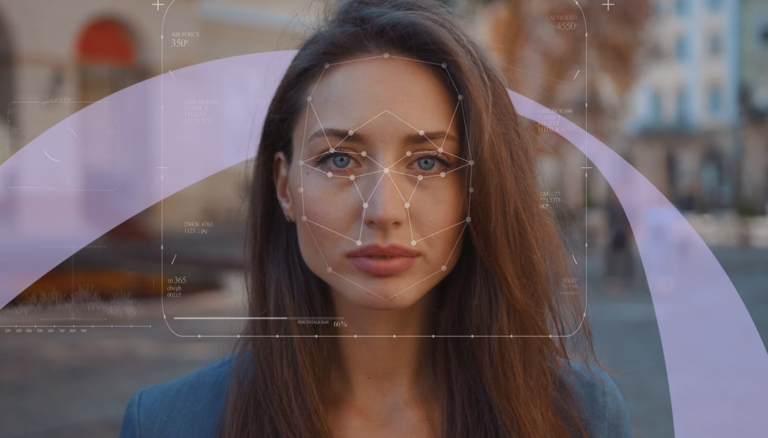
Deepfakes are produced using advanced artificial intelligence and machine learning, especially Generative Adversarial Networks (GANs). Here’s a simple breakdown:
- Data Collection
The AI system is trained on many images or videos of a person’s face—here, often a celebrity with abundant online visual content. - Model Training
The system learns how unique facial features, expressions, and movements work. - Face Mapping
The trained AI then replaces (or swaps) the original face in a video with the learned facial data. - Refinement
Post-processing enhances realism and makes the video look more authentic.
While this shows the power of AI, it also reveals how easy it is for technology to be misused without ethical safeguards.
Why Sabrina Carpenter Appears in Deepfake Searches
Several factors make celebrities like Sabrina Carpenter common names in deepfake-related searches:
Popularity and Media Presence
Sabrina Carpenter has a large global fan base and media presence, making her recognizable and often searched online.
Availability of Visual Data
Deepfake models require extensive images and video footage—both of which are plentiful for many public figures.
Curiosity Rather Than Malice
Some users search this term out of curiosity about AI technology rather than to seek out non-consensual content.
Ethical Issues with “Sabrina Carpenter MrDeepfake” Searches
The popularity of searches like “Sabrina Carpenter MrDeepfake” raises several key ethical questions:
Lack of Consent
Using anyone’s likeness in deepfake content without permission is a violation of privacy and rights.
Reputation Risks
Even if the content is fake, it may be mistaken for real media, potentially harming someone’s reputation.
Emotional Impact
Seeing one’s face manipulated in misleading contexts can be distressing and invasive.
Public Misinformation
Realistic deepfakes can mislead audiences, creating false narratives or impressions.
Legal and Privacy Considerations
Deepfake laws vary, but many regions are updating legal codes to address non-consensual AI-generated content. Issues may include:
- Privacy Violations – Using someone’s image without consent.
- Copyright Infringement – Repurposing copyrighted footage.
- Defamation and Harassment – Damaging a person’s reputation with false content.
Sabrina Carpenter, like other public figures, has rights that should be respected in digital and AI spaces.
Deepfake Technology: Legitimate Uses
While non-consensual deepfakes are ethically problematic, the underlying technology has legitimate applications:
- Film and Visual Effects – Enhancing storytelling with consent.
- Education and Simulation – AI-powered simulations for teaching or training.
- Creative Expression – Artistic projects with permission.
- Accessibility Tools – Helping people with disabilities using voice or facial synthesis.
Ethical use requires clear consent, transparency, and respect for individual rights.
How to Approach Deepfake Searches Safely
If you come across the keyword “Sabrina Carpenter MrDeepfake,” consider the following tips:
Be Skeptical of Unverified Content
Not everything labeled as deepfake or celebrity content is real or accurate.
Respect Privacy and Consent
Avoid sharing or engaging with content that violates someone’s rights.
Avoid Hazardous Websites
Some unmoderated deepfake sites may contain malware, phishing links, or unsafe downloads.
Educate Yourself
Learn how AI works, how to spot manipulated media, and how to respond ethically.
Public Awareness and Digital Literacy
The conversation around terms like “Sabrina Carpenter MrDeepfake” highlights the growing need for digital literacy:
- Understanding how digital media can be manipulated
- Recognizing synthetic versus authentic content
- Knowing how to protect personal identity online
- Critically evaluating the sources of media
Digital literacy empowers users to navigate AI technology safely and responsibly.
Platform Policies and Regulation
Major platforms are increasingly implementing policies to curb harmful deepfakes:
- Content Moderation – Flagging or removing non-consensual media
- AI Detection Tools – Tools to identify manipulated videos
- User Reporting Systems – Channels to report unethical content
- Legal Compliance – Policies aligned with evolving digital laws
Such measures help safeguard individuals and audiences alike.
Conclusion
The term “Sabrina Carpenter MrDeepfake” reflects public interest and concern surrounding deepfake technology and its implications. While artificial intelligence enables exciting innovations in media creation, it also presents serious ethical, legal, and privacy challenges—especially when it involves figures like Sabrina Carpenter who have not provided consent for their likeness to be used.
Understanding the technology, ethical concerns, and legal boundaries is essential for navigating this topic responsibly. Respect for privacy, digital rights, and ethical awareness should guide how we interact with AI-generated content in the modern digital age.