Brooke Monk MrDeepfake
In the age of advanced artificial intelligence, digital media creation has reached levels previously thought impossible. One of the most controversial forms of AI-generated media is the deepfake synthetic videos or images where a person’s face or voice is replaced with someone else’s likeness.
A growing number of internet searches include terms like “Brooke Monk MrDeepfake.” This indicates public interest and sometimes concern over deepfake technology involving popular online figures like Brooke Monk. This blog post explores what this term means, how deepfakes are made, the ethical and legal risks involved, and why it’s important to prioritize safety and consent online.
Who Is Brooke Monk?
Before diving into deepfakes, it’s important to understand the context of searches like “Brooke Monk MrDeepfake.”
Brooke Monk is a social media influencer and content creator who gained popularity on platforms like TikTok and YouTube. With millions of followers and a high degree of online visibility, Brooke is a public figure whose face and presence appear frequently in visual media.
This visibility means she — like many online personalities — is sometimes mentioned in discussions related to artificial intelligence, digital image manipulation, and deepfake trends.
What Does “Brooke Monk MrDeepfake” Refer To?
The phrase “Brooke Monk MrDeepfake” typically appears in search engines when users are curious about:
- AI-generated videos or images involving Brooke Monk
- Articles explaining deepfake technology
- News about public figures and deepfake misuse
- Online discussions about digital identity and AI ethics
This search does not imply that Brooke Monk has created or endorsed any deepfake content, nor does it mean that a deepfake involving her is real. Rather, the term reflects public curiosity about AI technology and its impact on public figures.
How Deepfakes Are Created
Deepfakes are produced using advanced AI models, especially Generative Adversarial Networks (GANs). Here’s a simplified overview of the process:
Data Collection
The AI system is trained on many images or video clips of the target person — in this case, someone like Brooke Monk whose likeness appears frequently online.
Model Training
Using machine learning, the system learns to recognize the target’s facial features, expressions, and movements.
Face Mapping
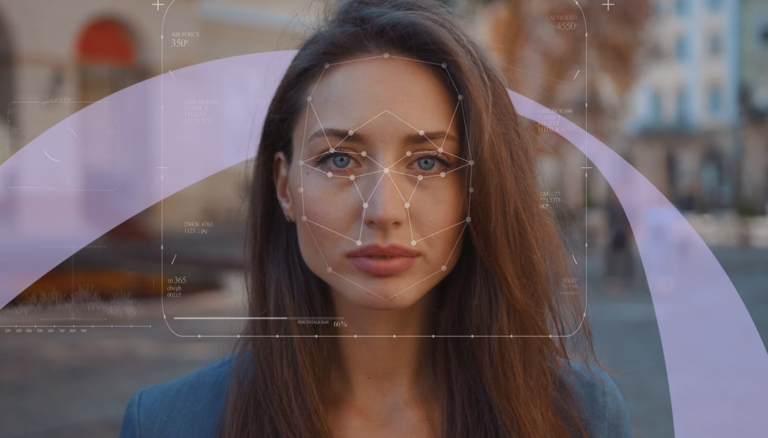
Once trained, the model can map those features onto another video or image, replacing the original face realistically.
Refinement
Post-processing enhances realism and smooths transitions so that the final output appears as authentic as possible.
This technology can be incredibly impressive, but when used without permission, it creates serious ethical and legal issues.
Why Public Figures Like Brooke Monk Are Mentioned in Deepfake Searches
There are several key reasons why someone like Brooke Monk might appear in deepfake-related queries such as “Brooke Monk MrDeepfake”:
Visibility
Brooke’s videos and images are widely available online, providing abundant facial data for AI models.
Public Interest
Influencers often attract attention — positive and negative — which leads people to search for anything associated with their names.
Curiosity About Technology
Some people aren’t looking for actual deepfake videos but rather want to understand the technology and its implications when it comes to well-known personalities.
Ethical Concerns Around Deepfakes
Searches like “Brooke Monk MrDeepfake” bring up serious ethical questions. Here are some of the most important ones:
Lack of Consent
Creating or sharing a deepfake of someone without their consent violates personal and digital rights.
Harm to Reputation
Even when deepfakes are clearly synthetic, they can be misinterpreted, damaging someone’s reputation.
Emotional Impact
Deepfakes can cause emotional harm, embarrassment, or distress to the individuals depicted.
Misinformation
Deepfakes can be used to create misleading or false narratives, which can influence public opinion or fuel rumors.
Legal and Privacy Implications
Laws related to deepfakes vary by country, but many regions are updating regulations to address this emerging issue:
- Privacy Law Violations – Using someone’s likeness without permission may violate privacy protections.
- Defamation Claims – If a deepfake harms a person’s reputation, legal action may be possible.
- Copyright and Image Rights – Public figures have legal protections over how their image is used.
Platforms like social media sites are also updating policies to ban non-consensual deepfakes and provide ways for users to report harmful content.
Detecting Deepfakes
As AI improves, deepfakes become more convincing but there are still ways to spot them:
Unnatural Facial Movements
Tiny irregularities in blinking or expressions can be signs of manipulation.
Inconsistent Lighting
AI may not perfectly match shadows or highlights across the face.
Unusual Audio Sync
Lip movements that don’t match audio can signal a deepfake.
Metadata Analysis
Some tools analyze file metadata to spot edits or inconsistencies.
Technology companies are also developing AI systems to automatically detect deepfake media.
How to Stay Safe Online
If you see content labeled with terms like “Brooke Monk MrDeepfake,” here are ways to protect yourself and others:
Verify Sources
Always check where a video or image comes from — trusted news or official accounts are more reliable.
Avoid Sharing Harmful Media
Sharing non-consensual deepfakes spreads harm and may violate platform policies.
Report Suspicious Content
Platforms like TikTok, Instagram, and YouTube have reporting tools for harmful or misleading AI content.
Use AI Detection Tools
There are apps and browser tools that help identify manipulated media.
Positive Uses of AI Similar to Deepfakes
AI that manipulates visual media isn’t inherently bad. When used ethically and with consent, it has exciting applications:
- Film Production – Enhancing special effects or de-aging actors with permission.
- Historical Education – Recreating historical figures for documentary footage.
- Creative Storytelling – Animators and artists exploring new forms of expression.
- Accessibility – Voice and face technologies that assist users with impairments.
These uses emphasize consent and transparency, distinguishing them from harmful or deceptive deepfakes.
The Importance of Digital Literacy
Search terms like “Brooke Monk MrDeepfake” reflect a larger trend — the need for digital literacy in today’s online world. Understanding how digital media can be manipulated helps us:
- Evaluate information critically
- Identify manipulated versus real content
- Respect privacy and digital rights
- Make informed decisions as consumers of media
Digital literacy empowers users to navigate AI technologies responsibly.
Conclusion
The search term “Brooke Monk MrDeepfake” captures public curiosity about AI-generated media and the ethical concerns that come with it. While artificial intelligence enables impressive innovations, it also carries risks especially when used without consent or in ways that harm others.
Understanding how deepfakes are made, why they attract attention, and how to approach them responsibly is essential in the digital age. With increasing awareness, better detection tools, and ethical use of AI, we can appreciate technological advances without compromising individual rights or safety.