Billie Eilish MrDeepfake
Artificial intelligence (AI) has opened doors to incredible innovations in digital media. But with innovation comes complexity especially when technology can simulate someone’s face or voice in highly realistic ways. One search term that has gained attention is “Billie Eilish MrDeepfake.”
This blog post breaks down what this phrase means, how deepfake technology works, the ethical and legal concerns involved, and why awareness is essential when engaging with AI-generated media.
What Does “Billie Eilish MrDeepfake” Mean?
The phrase “Billie Eilish MrDeepfake” appears when people search for deepfake videos or discussions involving the internationally renowned artist Billie Eilish. In this context:
- Billie Eilish is the subject whose likeness is being referenced.
- MrDeepfake (or “deepfake”) refers to AI-generated face swaps or synthetic media.
Importantly, this term does not imply any official involvement or endorsement by Billie Eilish. Most deepfakes involving public figures are created without consent, which raises serious ethical concerns.
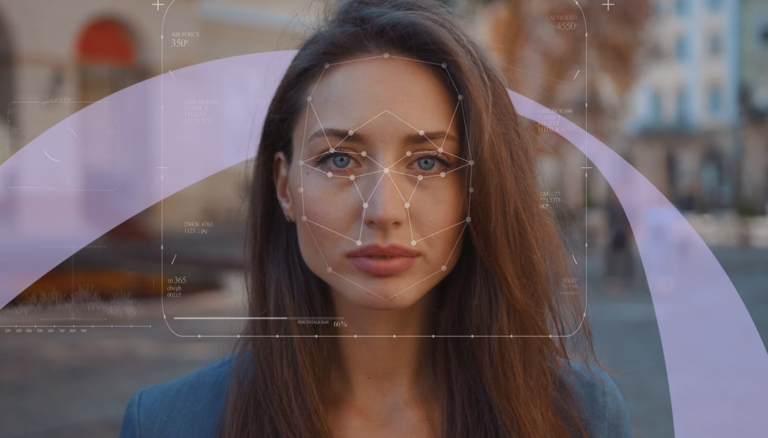
How Deepfakes Are Created
To understand searches like “Billie Eilish MrDeepfake,” it helps to understand how deepfakes are made:
- Data Collection
Hundreds (or thousands) of images/videos of a person’s face are collected. - AI Training
A deep learning model (often a Generative Adversarial Network, or GAN) analyzes facial movements, expressions, and features. - Face Mapping
The learned facial patterns are applied to a target video — replacing the original face with a digitally crafted one. - Refinement
Post-processing improves realism and smooths transitions.
As AI models become better, the resulting media can be extremely convincing — but that also increases potential for misuse.
Why Celebrities Like Billie Eilish Are Targeted
There are several reasons why deepfakes often involve public figures like Billie Eilish:
High Public Visibility
Celebrities appear in many photos and videos online — which gives AI more data to train on.
Popularity Drives Curiosity
Fans and followers may be curious about AI effects, even without harmful intent.
Easy Access to Visual Content
Abundant media of public figures feeds AI systems, sometimes without regard for consent.
But curiosity can quickly cross into problematic territory when deepfakes are created and shared without permission.
Ethical Concerns with “Billie Eilish MrDeepfake”
While AI technology itself isn’t inherently bad, its misuse raises several issues:
Lack of Consent
Using someone’s likeness without permission violates personal and digital rights.
Emotional Harm
Seeing one’s digital image manipulated without control can be distressing.
Reputation Damage
Misleading deepfakes may harm reputation, even if people know the content is fake.
Spread of Misinformation
Deepfakes can be used to distort reality — and erode trust in digital content.
These concerns affect not just celebrities, but anyone whose likeness could be misused.
Legal Risks and Protections
Legal frameworks are still catching up with technology, but many countries and platforms are moving toward stronger protections:
- Privacy Laws — Some regions prohibit using someone’s image without consent.
- Defamation Protections — Misleading media can lead to legal action.
- Platform Policies — Major social media platforms increasingly ban harmful deepfakes.
- Intellectual Property Rights — Public figures may assert rights over their likeness and name.
If harmful content involving someone’s image appears online, legal remedies may be available — though enforcement remains challenging.
Why Awareness Matters
Searches like “Billie Eilish MrDeepfake” are not just about technology they underline the need for digital awareness:
Know When Media Is Manipulated
Learn to question videos or images that seem off or out of context.
Respect Others’ Digital Rights
Consent should always be the foundation of digital creation.
Avoid Sharing Non-Consensual Content
Even if you didn’t create the deepfake, sharing it can amplify harm.
Support Ethical AI
Prefer tools and platforms that prioritize transparency, consent, and safety.
Digital literacy is a vital skill in today’s AI-powered media landscape.
Responsible Uses of Deepfake Technology
Despite the risks, the technology behind deepfakes — when used ethically — can have positive applications:
Entertainment Industry — Visual effects and character work with consent
Education & Research — Teaching tools and simulations
Accessibility Tools — Voice and face synthesis for people with disabilities
Art & Creative Work — AI-assisted storytelling with permission
These uses show that deepfake technology can be beneficial if handled responsibly.
How to Spot a Deepfake
Deepfakes are improving, but here are common clues that a video may be synthetic:
Unnatural blinking or inconsistent eye movement
Odd lighting or shadows on the face
Mismatched audio and lip movement
Slight distortions or blur around the face
Strange skin or texture transitions
Being able to spot these signs helps protect against misinformation and deception.
Platform Policies and Industry Efforts
Tech companies and social platforms are stepping up:
AI detection tools identify manipulated content
Content labeling helps viewers understand what’s synthetic
Takedown policies protect individuals’ rights
Educational programs help users learn about deepfakes
These efforts aim to balance innovation with protection for users.
Conclusion
The term “Billie Eilish MrDeepfake” highlights a broader discussion about the intersection of AI innovation, celebrity, privacy, and ethics. While technology continues to advance, it’s essential to approach AI-generated content with awareness and caution.
Respecting personal likeness, prioritizing consent, and understanding how deepfakes work helps ensure that digital media remains trustworthy and respectful — not harmful or misleading.
As the digital world evolves, ethical use of AI should always come first.