Jenna Ortega MrDeepfakes
Artificial intelligence and machine learning have brought remarkable advancements in digital content creation. One of the most controversial uses of this technology is deepfake generation a process that can realistically replace or manipulate someone’s face in video and image media. Among search trends related to this topic is the keyword “Jenna Ortega MrDeepfakes.” People use this phrase when exploring or encountering AI-generated media involving the popular actress Jenna Ortega.
This article explains what “Jenna Ortega MrDeepfakes” means, the technology behind deepfakes, the ethical and legal issues involved, and how everyone fans, creators, and platforms can approach AI content responsibly.
What Does “Jenna Ortega MrDeepfakes” Mean?
When someone searches for “Jenna Ortega MrDeepfakes” they are looking for deepfake content, commentary, or news related to Jenna Ortega—a well-known actress—created using AI technologies like face-swapping. The term combines her name with “MrDeepfakes,” which is often used as a shorthand for deepfake sites or discussions about deepfake videos.
However, it’s important to note:
- There is no official endorsement by Jenna Ortega of any AI content created about her.
- Most deepfake videos involving public figures like Jenna Ortega are made without consent.
- Searches like this often reflect public curiosity and concern rather than legitimate content creation.
How Deepfakes Are Created
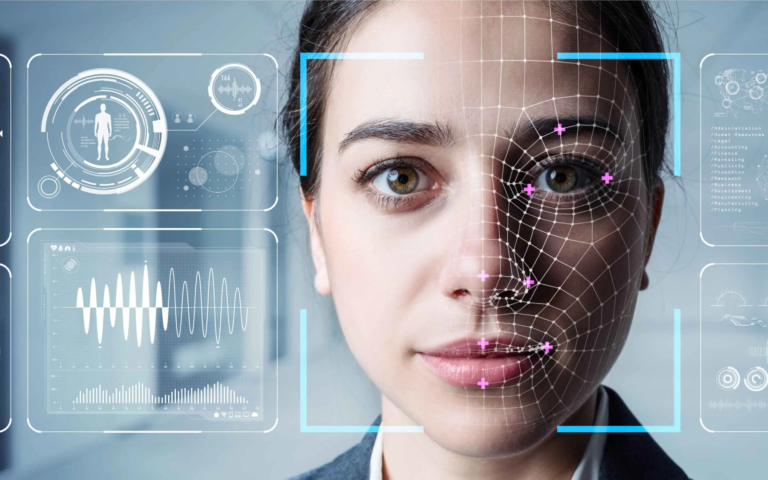
The technology behind searches like “Jenna Ortega MrDeepfakes” relies on advanced artificial intelligence systems, primarily Generative Adversarial Networks (GANs). Here’s a simplified explanation:
- Data Input
A large dataset of facial images of the target person (e.g., Jenna Ortega) is collected. - Machine Learning Training
The AI system analyzes these images to learn facial features, expressions, and movements. - Face Mapping and Replacement
The trained model then replaces the original face in a video with the learned face, creating a face-swapped output. - Refinement
Post-processing improves the realism of the final video, making it difficult to distinguish from genuine footage.
While this process demonstrates the power of AI, it also shows how easy it can be to manipulate media without someone’s permission.
Why Jenna Ortega Is Often Searched With Deepfakes
There are several reasons why terms like “Jenna Ortega MrDeepfakes” appear in search trends:
Popularity and Media Exposure
Jenna Ortega is a rising star with a large fan base. Public figures often become targets of AI content because there is a large amount of visual material available to train deepfake models.
Availability of Images and Video Clips
AI systems rely on extensive facial data. Celebrities have abundant videos and photos online, making it easier for AI tools to create deepfakes.
Curiosity and Search Behavior
Some people search for celebrity deepfakes out of curiosity, without malicious intent. Others may use the term to discuss ethical questions or legal developments involving deepfakes.
Ethical Issues With “Jenna Ortega MrDeepfakes”
The rise of deepfakes has sparked serious ethical concerns, especially when it comes to real people:
Lack of Consent
Creating deepfakes of someone like Jenna Ortega without her explicit permission violates her autonomy and privacy.
Misleading Content
Deepfake videos can be realistic enough to mislead viewers, spreading false impressions or misinformation.
Emotional and Professional Harm
Non-consensual deepfakes can cause emotional distress and potentially harm a person’s reputation or career.
Consent vs. Exploitation
Even though the technology can be used creatively, when it’s applied without consent to individuals—especially public figures—it becomes a form of exploitation.
Legal and Policy Considerations
Laws surrounding deepfakes vary by country, but the trend toward regulation is increasing:
Privacy Laws
In some regions, creating or sharing non-consensual AI media may be illegal under privacy protection laws.
Copyright and Intellectual Property
Using someone’s likeness without their consent may violate intellectual property rights.
Online Platforms’ Policies
Major social platforms and video hosting services increasingly prohibit harmful or non-consensual deepfake content.
Despite legal progress, enforcement remains a challenge—especially when content spreads quickly online.
Misinformation and Public Trust
Deepfakes have broader implications beyond individual privacy. Searches like “Jenna Ortega MrDeepfakes” can also raise concerns about:
- Misinformation campaigns
- Manipulated news clips or false statements
- Erosion of trust in video and audio evidence
As deepfake technology becomes more accessible and convincing, it becomes harder for the average viewer to distinguish real from fake content. This issue has consequences for journalism, public discourse, and digital literacy.
How to Stay Safe and Informed
If you encounter searches or links related to “Jenna Ortega MrDeepfakes,” here are guidelines to stay safe and responsible:
Be Skeptical of Deepfake Content
Not all AI-generated videos are labeled clearly. If something seems off, treat it with skepticism until verified.
Avoid Sharing Non-Consensual Media
Sharing or reposting deepfakes of real individuals without their consent compounds the harm and may violate platform policies.
Learn About Deepfake Detection Tools
Several tools and services are developing detection systems to help users identify manipulated media.
Support Ethical Platforms
Look for platforms that focus on consent-based AI uses, such as creative visual effects, education, or artistic expression.
Positive Uses of Deepfake Technology
Not all deepfakes are harmful. When used responsibly and ethically, the technology behind keywords like “Jenna Ortega MrDeepfakes” can support:
- Film and Television Production
- Historical Reconstruction
- Educational and Training Simulations
- Creative Storytelling with Consent
The key is consent and transparency, ensuring that individuals whose likenesses are used have agreed to it.
Public Awareness and Education
Search interest in terms like “Jenna Ortega MrDeepfakes” shows a broader need for public education about deepfake technology. Everyone should understand:
- How deepfakes are made
- The ethical implications of non-consensual AI media
- Ways to verify the authenticity of digital content
Improving digital literacy helps protect individuals and communities from harm.
The Role of Digital Platforms
Social media and content platforms play a critical role in managing deepfake content:
- Labeling AI-generated media
- Removing harmful or non-consensual content
- Educating users about digital manipulation
Regulations and policies are evolving, but platforms must stay proactive to reduce misuse.
Conclusion
The term “Jenna Ortega MrDeepfakes” highlights the intersection of AI innovation, digital culture, and ethical responsibility. While artificial intelligence enables fascinating new forms of media creation, it also poses risks when used without consent or consideration of privacy.
As deepfake technology becomes more widely accessible, users, creators, and platforms must prioritize ethical use, consent, and digital literacy. By understanding what deepfakes are—and what they are not—we can engage with AI technology in ways that respect individuals and protect digital society.