Sabrina Carpenter MrDeepfakes
Artificial intelligence has transformed the landscape of digital content creation, but it has also brought complex ethical challenges. One of the most debated applications of AI is deepfake technology—a method that allows realistic digital manipulation of faces and voices in videos. Among the many celebrity-related deepfake search terms, “Sabrina Carpenter MrDeepfakes” is one that often appears. This article explores what this term means, how deepfakes work, the associated risks, ethical implications, and how to approach this technology responsibly.
What Does “Sabrina Carpenter MrDeepfakes” Mean?
When people search for “Sabrina Carpenter MrDeepfakes” they are usually looking for information related to deepfake videos or discussions involving the singer and actress Sabrina Carpenter. The phrase combines her name with “MrDeepfakes,” a term often used to refer to deepfake platforms, content, or user discussions about AI-generated face swaps.
It’s important to understand that such searches do not imply that Sabrina Carpenter endorses or is associated with any deepfake content. Most deepfakes involving public figures are created without the person’s consent, which raises serious ethical and legal questions.
How Deepfakes Are Created
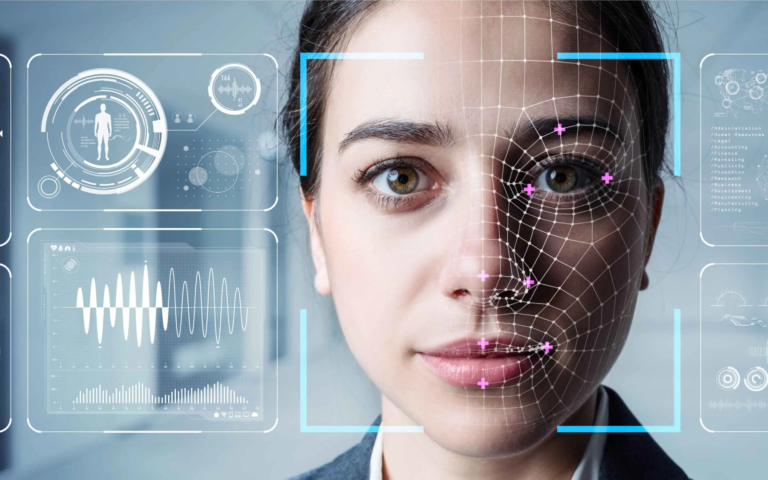
Deepfakes are generated using advanced artificial intelligence, especially deep learning models like Generative Adversarial Networks (GANs). Here’s a simplified breakdown:
- Data Collection
Images and videos of the target person—here, Sabrina Carpenter—are collected. - Model Training
The AI learns facial features, expressions, and movement patterns from the collected dataset. - Face Swapping
The trained model maps the target’s face onto another video, replacing the original face in a realistic way. - Post-Processing
Editing and refinement improve the final output to increase realism.
While the technology itself is impressive, misuse can lead to serious emotional and legal consequences.
Why Sabrina Carpenter Appears in Deepfake Searches
There are several reasons why terms like “Sabrina Carpenter MrDeepfakes” may show up in search trends:
Popularity and Public Presence
Sabrina Carpenter is a well-known global artist with a substantial presence in film, television, and music, making her a recognizable figure to both fans and digital creators.
Availability of Visual Content
Public figures have extensive visual material online—interviews, performances, red carpet appearances—providing ample data for AI training.
Public Curiosity
Searches often happen out of curiosity rather than intent to misuse. People want to learn how the technology works or see examples of AI media.
Ethical and Legal Concerns
The rise of celebrity deepfakes raises several ethical and legal concerns:
Lack of Consent
Using someone’s likeness without permission, especially for deepfake content, is a violation of personal rights and autonomy.
Reputation and Emotional Harm
Non-consensual deepfakes can misrepresent a person and harm their reputation or emotional well-being.
Misinformation Risks
Deepfakes can be used to manipulate public opinions by placing false words or actions in a person’s mouth.
Digital Identity Concerns
Celebrities like Sabrina Carpenter have a right to control the use of their digital identity, and unauthorized content undermines that right.
Legal Protections and Digital Rights
Legal systems around the world are catching up with deepfake technology, and some jurisdictions are implementing regulations such as:
- Privacy laws restricting non-consensual use of personal likeness
- Intellectual property protections related to celebrity image rights
- Anti-harassment and defamation laws
Public figures often take legal steps to remove unauthorized content and protect their digital identity.
Why Awareness Matters
Search terms like “Sabrina Carpenter MrDeepfakes” highlight the importance of understanding AI technology, digital rights, and responsible use. Awareness helps:
- Educate users about ethical boundaries
- Prevent the spread of harmful content
- Foster respect for consent and privacy
- Encourage platforms to enforce safe usage policies
It’s crucial to treat deepfake technology with caution and respect for individuals’ rights.
Responsible Uses of Deepfake Technology
Not all deepfake applications are harmful. When used ethically and with consent, AI face-swapping can be beneficial, such as:
- Film and media with permission – visual effects and digital editing
- Educational simulations – recreating historical figures for study
- Artistic expression – creative AI-based art projects
- Accessibility tools – voice and facial reconstruction for people with disabilities
The key is consent, transparency, and ethical intent.
How to Stay Safe Online
If you come across content labeled with terms like “Sabrina Carpenter MrDeepfakes,” consider the following safety tips:
Verify Source Credibility
Make sure the content is from a reputable and ethical platform. Be cautious of unknown or suspicious sites.
Avoid Sharing Non-Consensual Media
Sharing unauthorized deepfakes contributes to harm. Respect individuals’ digital rights.
Check for Labels
Some platforms are beginning to label AI-generated content to help users distinguish between real and synthetic media.
Increase Digital Literacy
Understanding how AI works makes it easier to identify manipulated media and avoid misinformation.
Community and Industry Response
Platforms like social media networks, streaming services, and video hosts are increasingly taking steps against harmful deepfakes:
- Removing non-consensual content
- Implementing AI detection tools
- Creating policies against deepfake misuse
These efforts aim to protect both public figures and everyday users from digital exploitation.
Conclusion
The term “Sabrina Carpenter MrDeepfakes” reflects public curiosity around deepfake technology and the celebrities often subjected to this kind of digital manipulation. While AI brings exciting possibilities, it also raises serious concerns about privacy, consent, legality, and emotional impact.
Understanding these risks and practicing responsible digital behavior is essential in today’s AI-driven world. Respect for digital identity and ethical use of technology should always come first, ensuring AI is used for innovation—not exploitation.